How to Trade Futures: The Ultimate Beginner's Guide (2026)
Learn how to trade futures with Micro contracts, low margins, and 24-hour market access. Start with as little as $500.
- No PDT Rule
- $50 Micro Margins
- 24/5 Trading
- Free Platforms
Trade Smart, Start Small
Futures allow traders to speculate on the price movement of markets like the S&P 500, Nasdaq, gold, and crude oil — without owning the underlying asset.
Futures trading isn't just for Wall Street pros anymore. In 2026, anyone with a phone and a strategy can trade global markets — index futures, gold, crude oil, and more — almost 24 hours a day. However, what makes it powerful is also what makes it risky: leverage.
That's why this guide is built for you — the short-term, self-directed trader who wants to start small, stay nimble, and learn the rules before scaling up. With Micro futures, you can trade major markets with lower margins, smaller positions, and tighter risk control.
Beginner rule: Start with Micro futures (MES/MNQ), trade 1 contract, and focus on one market until you build consistency.
Try this: Open a free Optimus demo and place your first Micro E-mini trade risk-free.
Launch Free DemoWhat Is Futures Trading?
Futures trading lets you profit whether markets rise or fall. This is possible because futures contracts allow traders to go long (buy) or short (sell) with equal ease.
Definition: A futures contract is a standardized agreement traded on regulated exchanges to buy or sell an asset at a set price on a future date. In practice, you're trading the price movement of markets like the S&P 500, Nasdaq, gold, and crude oil.
Understanding the difference between long and short positions is one of the most important fundamentals for beginner futures traders
Going Long vs. Going Short in Futures Trading
When you go long, you profit if price rises. When you go short, you profit if price falls. Losses occur when price moves in the opposite direction of your position.
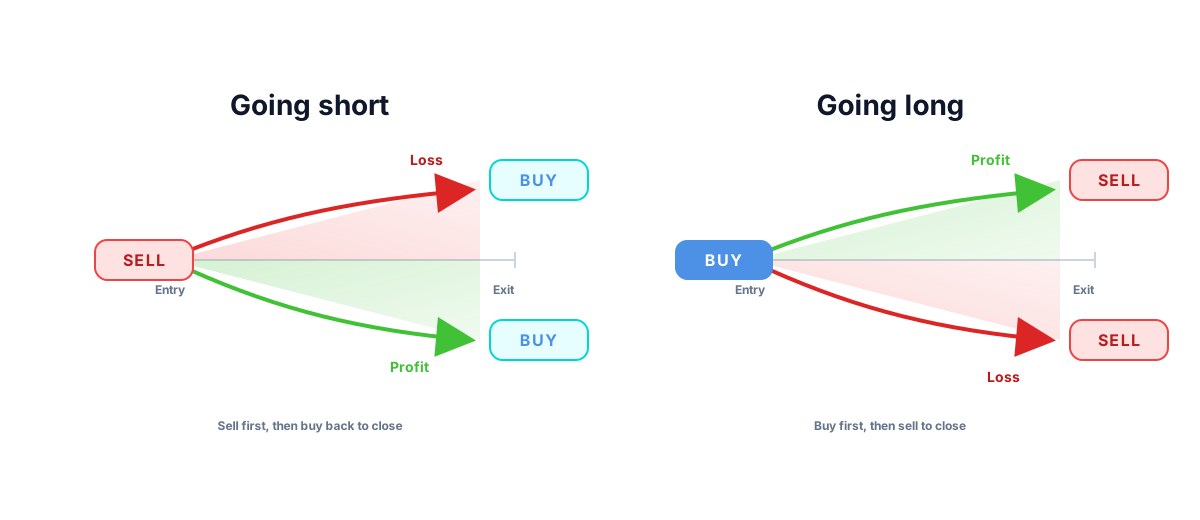
Going Short (Sell First)
When you go short, you sell a futures contract first, expecting the market price to fall.
If price falls after your entry, you can buy the contract back at a lower price and keep the difference as profit.
If price rises, the trade results in a loss.
Going Long (Buy First)
When you go long, you buy a futures contract expecting the market price to increase.
If price rises after your entry, you can sell the contract at a higher price for a profit.
If price falls instead, the position results in a loss.
Example Futures Trade (Micro E-mini S&P 500)
You buy (go long) 1 Micro E-mini S&P 500 (MES) contract at 5,000.
• Each tick = 0.25 index points ($1.25 per tick)
• Price rises 10 points $50 profit
• Price falls 10 points $50 loss
This example illustrates how futures profits and losses change with price movement.
Unlike stocks, futures markets allow traders to go long or short without restrictions, borrowing shares, or complex approval processes. This flexibility is one reason futures trading is popular among active traders, day traders, and hedgers looking to manage risk in both bullish and bearish market conditions.
Next step: Practice placing long and short trades in a simulated environment before trading live.
Why Futures Appeals to Today's Traders
Forget the trading pits and hand signals—those days, if you're old enough to remember them, are gone. Futures markets are 100% digital and global. Whether you're a day trader, swing trader, or experimenting with algorithmic systems, futures give you access to broad markets with flexibility that stocks and forex can'tmatch.
| Advantage | Why It Matters |
|---|---|
| No PDT Rule | Trade freely, no $25k minimum |
| Micro Contracts | Control markets with small margin |
| 24/5 Access | Trade global sessions |
| High Transparency | Regulated exchanges |
| Two-Way Trading | Profit up or down |
How to Start Trading Futures in 5 Steps
Getting started with futures is simpler than most people think. The key is to start small, focus on one market, and use the right tools from the beginning. Here's your quick, no-fluff roadmap.
Pick Your Market
Every futures contract tracks a specific asset—like a stock index, metal, or energy product. New traders often start with Micro E-mini index futures (MES, MNQ, M2K) because they're liquid, accessible, and easy to understand.
| Symbol | Market | Tick Size | $ per Tick | Hours (ET) |
|---|---|---|---|---|
| MES | S & P 500 | 0.25 | $1.25 | 6PM - 5PM |
| MNQ | Nasdaq-100 | 0.25 | $0.50 | 6PM - 5PM |
| MGC | Gold | 0.10 | $1.00 | 6PM - 5PM |
| MCL | Crude Oil | 0.01 | $1.00 | 6PM - 5PM |
Optimus Tip: Stick to one market until you know how it moves—don't spread yourself too thin early on.
Select Your Preferred Optimus Platform
Your trading platform is your control center—it's where you chart, analyze, and place trades. Optimus offers three professional-grade platforms, all beginner friendly and free:
- Optimus Flow (Desktop) — Advanced charting, DOM, automation tools
- Optimus Futures Web — Browser-based, no downloads
- Optimus Mobile — Fast order entry on the go
Open & Fund Your Account
Opening a futures account is faster than you think. With Optimus, setup typically takes less than 10 minutes online. You can choose from:
- Individual account (for personal trading)
- Joint or corporate account (for multiple traders or business entities)
- IRA account (for retirement portfolios that include futures)
Funding can be done via bank wire or ACH. Minimums vary by product, but many Micro traders start with $500–$1,000.
Fast Start: Apply online, verify your ID, and fund your account to start trading within one business day.
Learn the Order Type
Before you place your first trade, get comfortable with these four basic order types:
| Order Type | What It Does | When to Use |
|---|---|---|
| Market Order | Executes immediately | Fast entry/exit |
| Limit Order | Fills at your price or better | Support/resistance |
| Stop Order | Triggers at stop price | Protection/breakouts |
| Stop-Limit | Stop + limit combined | Volatility control |
Optimus Tip: Consider using a bracket order—it includes both your take-profit and stop-loss automatically.
Make Your First Practice Trade
Now it's time to connect everything you've learned. Here's your five-minute drill:
- Log in to the Optimus Flow demo.
- Search for MES (Micro E-mini S&P 500).
- Click Buy Market.
- Set a Stop-Loss 5 points below and a Target 10 points above.
- Watch how each tick moves your P&L in real time.
That's it—you've placed your first simulated futures trade.
Next Action: Once you're comfortable on demo, go live with one Micro contract.
Upgrade to Live AccountMicro Futures Explained: Why They're Ideal for Beginners
Micro futures are the on-ramp to professional markets. They trade exactly like standard contracts—same charts, same tick sizes, same 24-hour access—but at one-tenth the size (and often one-tenth the risk). If you're learning to day trade or testing new strategies, Micros let you do it with less stress and less capital.
How Micro Futures Work
A Micro contract gives you exposure to the same underlying market as its larger "E-mini" version. For example, the Micro E-mini S&P 500 (MES) tracks the same index as the E-mini S&P 500 (ES)—it's just smaller. That means each tick or point is worth less, making it easier to manage losses and scale gradually.
Optimus Tip: Start with one Micro contract. Once you're consistent, scale by adding size—not leverage.
Why Micros Fit Today's Traders
Micros combine flexibility with lower emotional pressure. You can stay in the same liquid markets that institutional traders use—but with training-wheel risk levels.
Explore All MicrosSample Trade: A Micro E-mini in Action
Let's walk through a realistic short-term trade:
- You buy 1 MES at 5,000.
- Each point = $5 (20 ticks × $1.25 per tick).
- You place a 5-point stop (risk $25) and a 10-point target (reward $50).
- If price hits 5,010 → you make $50.
- If it drops to 4,995 → you lose $25.
That's the simplest way to control your risk while learning how leverage works.
Try it: Load MES on your Optimus demo, add a bracket order, and watch how each tick affects your P&L in real time.
Launch Free DemoThe Step-Up Path: Micros → Minis → Pros
Micros are designed to teach you the habits that scale:
- Trade small. Focus on execution, not income.
- Get consistent. Win small, lose smaller.
- Scale up. Once you can survive volatility, upgrade to E-minis with the same discipline.
Remember: The market rewards consistency, not aggression. Micros help you build that consistency one trade at a time.
Upgrade to Live AccountFutures Margin Explained (Day Trading vs Overnight)
One of the most misunderstood parts of futures trading is margin. In futures, margin is not a down payment on the contract — it's a good-faith deposit that allows you to control a large position with less capital. This is what gives futures their leverage.
There are three margin terms beginners should know:
- Initial Margin: The amount required to hold a futures position overnight
- Maintenance Margin: The minimum balance required to keep the position open
- Day Trading (Intraday) Margin: A lower margin requirement brokers may offer during regular trading hours
Why it matters: If you hold a trade past the session close, you may need to meet the overnight margin requirement, which is typically much higher than intraday/day-trading margin.
Beginner tip: If you're learning, trade Micro futures (like MES or MNQ), start with 1 contract, and avoid holding positions overnight until you fully understand margin rules.
Futures Risk (What Beginners Need to Know)
Futures are powerful — but they're not forgiving. Because futures use leverage, small price movements can create meaningful gains, but also fast losses. Most beginners don't lose because they "chose the wrong market." They lose because they trade without a risk plan.
Here are the most common mistakes new futures traders should avoid:
- Oversizing: Trading too many contracts too soon
- No stop-loss: Hoping the market comes back instead of defining risk
- Holding through news: Major reports (CPI, FOMC, NFP) can spike volatility instantly
- Overtrading: Taking too many trades after a win or a loss
The goal early on isn't to "get rich fast." It's to build consistency: good entries, controlled risk, and repeatable execution.
Simple rule: Before every trade, define your stop-loss and make sure the potential loss is small enough that you can trade again tomorrow.
Choosing a Futures Trading Platform
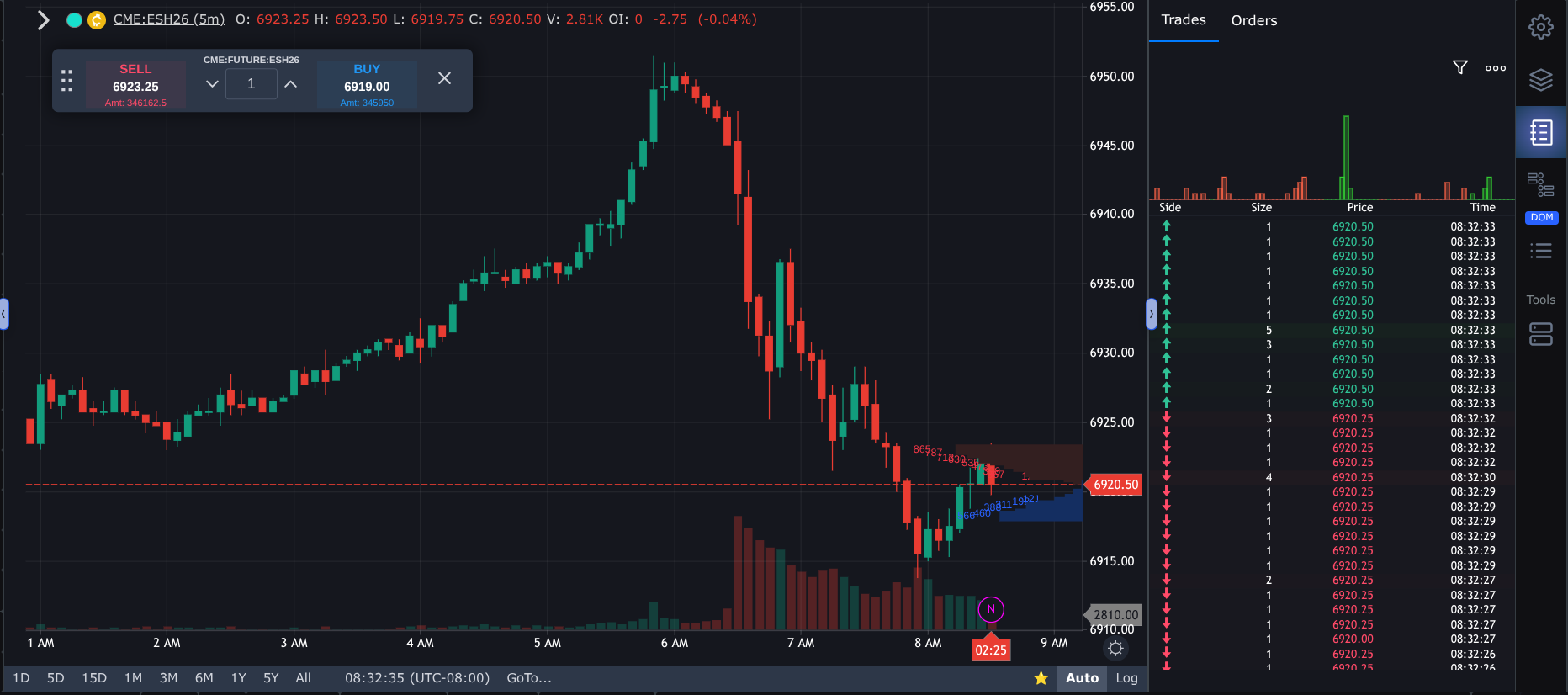
Your trading platform is your cockpit. It's where you analyze charts, enter orders, manage risk, and track performance. Picking the right one early makes a huge difference—especially for short-term or mobile traders.
The Optimus Advantage
Optimus Futures gives you access to multiple professional-grade platforms—each designed to fit your workflow and skill level. All of them connect directly to regulated exchanges for real-time data and lightning-fast execution.
Optimus Tip: Start with Optimus Flow to learn full-scale tools, then use Web or Mobile to monitor and manage trades anywhere.
Key Things to Look For in a Platform
When comparing futures platforms, focus on these essentials:
- Speed & Reliability: Low latency means better fills—critical for day traders.
- Ease of Use: Intuitive design helps you focus on trading, not navigation.
- Charting Tools: Support for drawing, indicators, and multi-timeframe analysis.
- Bracket & OCO Orders: Auto-attach stops and targets for every trade.
- Customization: Adjustable layouts, dark mode, and multi-monitor support.
- Integration: Compatible with major data feeds like CQG and Rithmic.
Why Speed and Data Matter
Futures trade in milliseconds. That's why your data feed and order routing must be rock-solid. A few milliseconds can mean the difference between getting filled at your price—or missing the move entirely.
Pro Move: Connect your platform to Rithmic or CQG data for institutional-grade speed and tick-by-tick accuracy.
Customizing Your Workspace
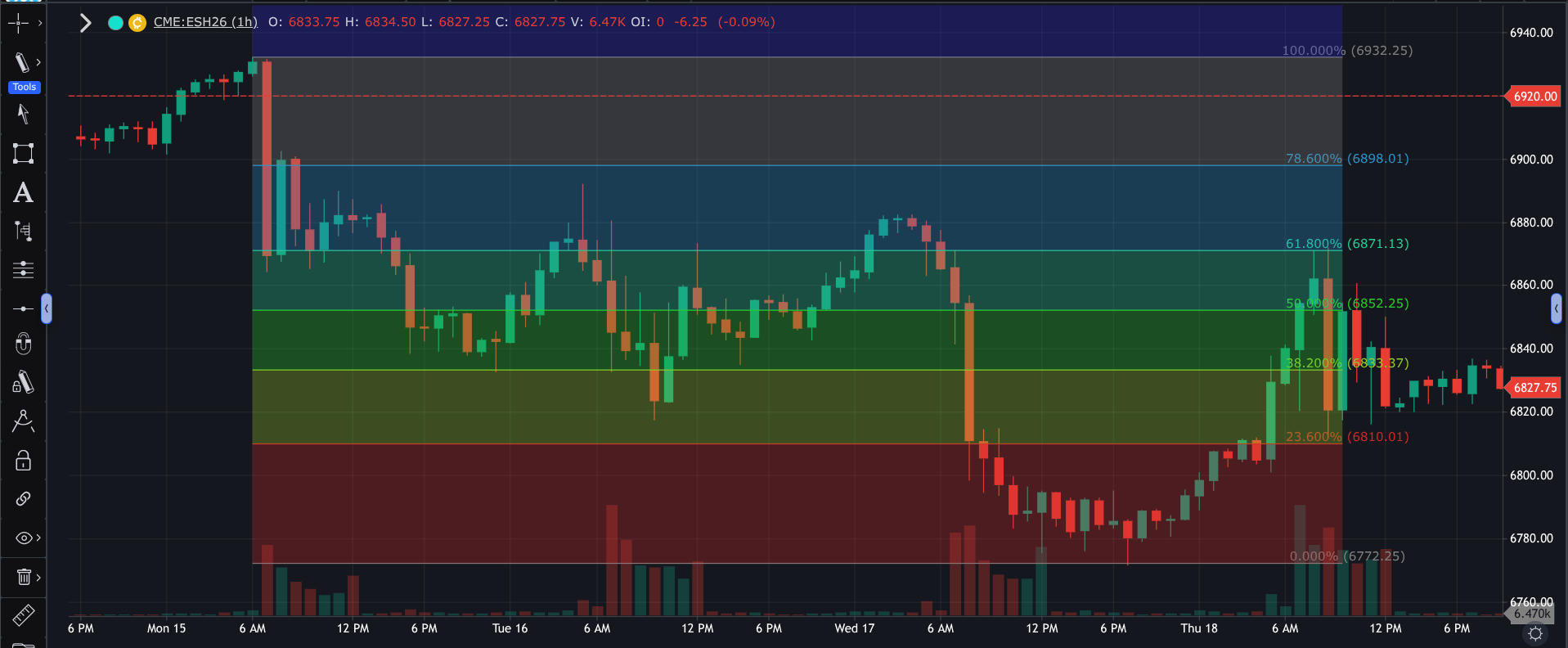
Optimus Futures Web lets you design your workspace exactly how you trade:
- Combine chart + DOM + order ticket in one window.
- Use hotkeys for instant entry/exit.
- Set up alerts for breakouts or news events.
- Save multiple layouts for different markets (indices, metals, energy).
Try this: In demo mode, create a two-panel layout—chart + DOM—and place your first bracket order live on the DOM.
Launch Free DemoYour Next Step
Once you're comfortable on demo, switch to a live environment using the same platform layout. Every chart, hotkey, and bracket order setup transfers directly—so there's no learning curve.
Next Action:
- Download Optimus Flow.
- Set up a demo workspace.
- Place three trades with bracket orders.
- Go live when you're ready.
When and What to Trade: Finding the Best Futures Markets
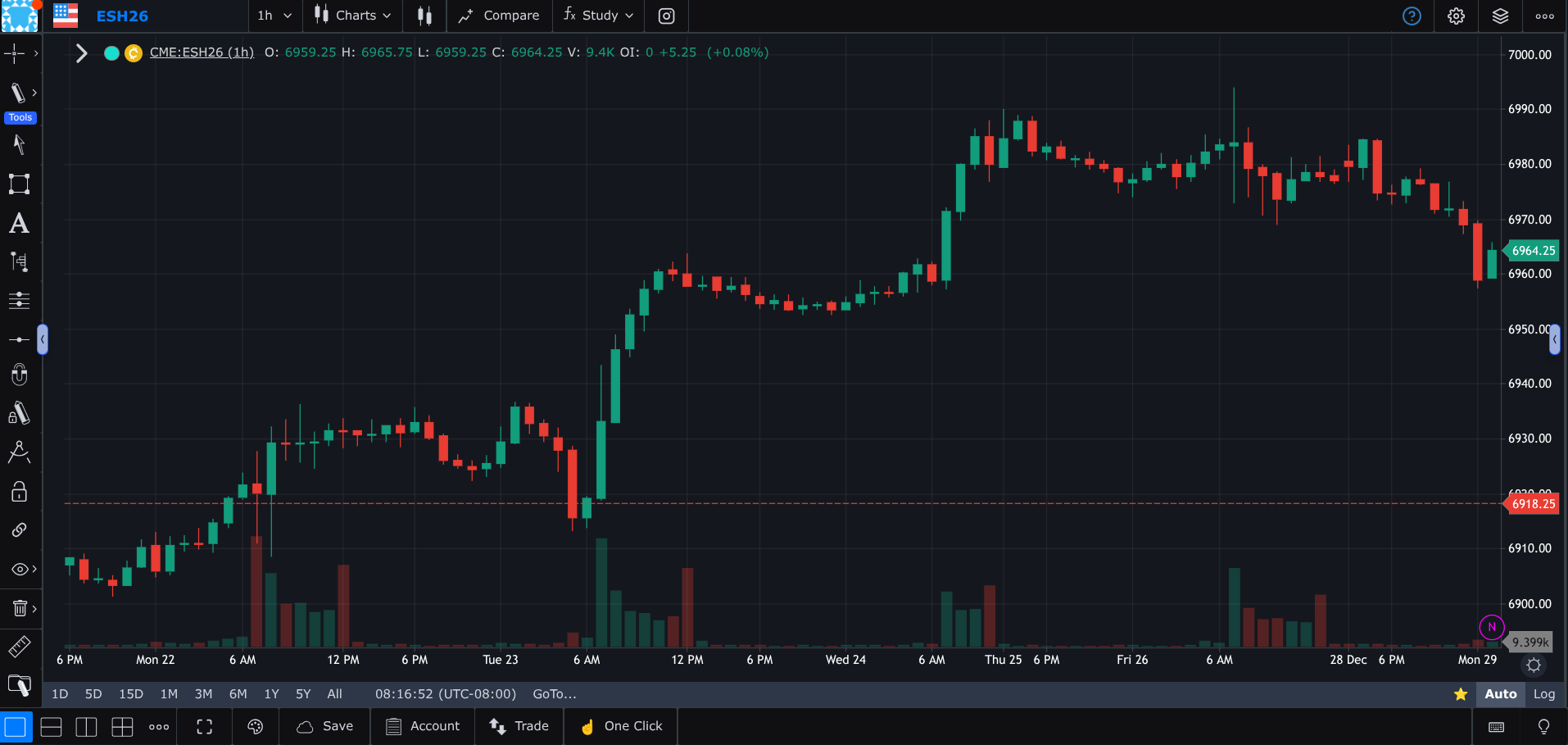
Not all futures markets behave the same. Some move fast and volatile (like crude oil), while others trend more smoothly (like the S&P 500). Knowing when and what to trade can make or break your early experience.
1. Focus on Volume and Liquidity
High-volume markets have tighter bid-ask spreads, meaning you can enter and exit trades more efficiently. For day traders and beginners, liquidity = safety—it keeps you from getting trapped in wild price gaps.
Optimus Tip: Stick to contracts that trade over 100,000 contracts per day for tighter spreads and easier exits.
2. Trade During Peak Hours
Even though futures trade nearly 24 hours, liquidity follows the sun. The best price action usually happens when the underlying cash market is open.
Check Market HoursOptimus Tip: Trade when you can react fast, not when markets are thin. During off-hours, spreads widen and slippage increases.
3. Match Market Personality to Your Style
Each futures market has a different "personality." Understanding how they behave helps you choose one that fits your temperament.
Optimus Tip: Start with MES or MGC—they're liquid, forgiving, and easy to follow on a mobile chart.
4. Watch for External Events
Economic reports and geopolitical news can trigger large moves within seconds. Smart traders know when to trade—and when to stand aside.
Major Events to Watch:
- CPI (Inflation)
- Nonfarm Payrolls (Jobs Report)
- FOMC Rate Decisions
- Crude Oil Inventories
- GDP and Retail Sales
Heads-Up: During these reports, spreads can widen and fills can slip. Trade smaller or wait for volatility to cool.
5. Keep a Simple Daily Routine
Your trading rhythm is just as important as your strategy. Here's a sample beginner's routine:
- Pre-Market (30 min before open): Check overnight trends, review the economic calendar, mark key support/resistance zones.
- Trading Session (1–2 hours): Focus on one or two setups only. Use bracket orders for every trade.
- Post-Market (15 min): Review screenshots, log results, note emotional triggers.
Reminder: Consistency beats intensity. The best traders don't trade more—they trade better.
FAQ
Futures Trading Guide FAQ
What is futures trading?
Futures trading is buying and selling futures contracts—standardized agreements to buy or sell an asset at a fixed price on a specific future date. You're not buying the actual commodity (like oil or gold); you're trading the price movement. Futures are traded on regulated exchanges like the CME Group, and you can profit whether prices go up (going long) or down (going short).
How much money do I need to start trading futures?
With Micro futures, you can start with as little as $500–$1,000. Day trade margins at Optimus Futures are as low as $50 per Micro contract, meaning you can control positions in major markets like the S&P 500 or Nasdaq-100 with minimal capital. Overnight positions require higher margins (typically $1,000–$1,500 per contract).
What are Micro futures?
Micro futures are smaller versions of standard futures contracts—typically 1/10th the size. For example, the Micro E-mini S&P 500 (MES) is 1/10th the size of the E-mini S&P 500 (ES). This means smaller tick values, lower margin requirements, and reduced risk per trade. Micros are ideal for beginners learning to trade or experienced traders testing new strategies.
Do futures have the Pattern Day Trader rule?
No. Futures are regulated by the CFTC (Commodity Futures Trading Commission), not the SEC. There's no $25,000 minimum balance requirement and no limit on how many day trades you can make. This makes futures popular with active traders who want to trade frequently without PDT restrictions.
What are the best futures markets for beginners?
Most beginners start with Micro E-mini index futures like MES (S&P 500) or MNQ (Nasdaq-100). These markets offer high liquidity, tight spreads, smooth price action, and low margin requirements. Once comfortable, traders often expand to Micro Gold (MGC) or Micro Crude Oil (MCL) for diversification.
How do I place my first futures trade?
Open a demo account with Optimus Futures, select a market like MES (Micro E-mini S&P 500), and click Buy or Sell based on your market view. Set a stop-loss to limit risk and a profit target to lock in gains. Practice with simulated trades until you're comfortable, then fund a live account to trade real markets.
Have more questions?
View our complete FAQ center or reach out to our dedicated support team, we're here to help.
Contact Us